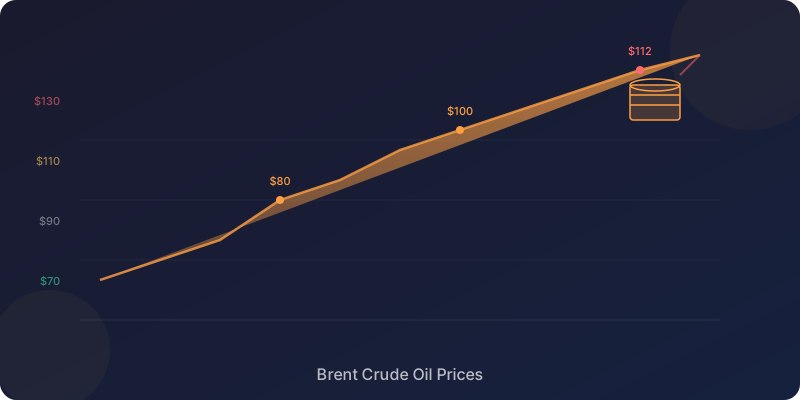
The oil market is on fire—and not in a good way. Brent crude surged to $112 per barrel this week, the highest level since 2022, as the Middle East conflict escalates and threatens to shut down critical shipping lanes. The Russell 2000 slipped over 1% while the Dow dropped 550 points. For everyday Americans, this isn't just a headline—it's about to hit your wallet at the pump.
What's driving prices higher
The U.S.-Israel war against Iran has entered its fourth week, and the Strait of Hormuz is now near-complete closure. That's a massive problem because roughly 20% of the world's oil supply passes through that chokepoint. Goldman Sachs is warning that oil could stay in triple digits for years—not just months.
Energy facilities across the region have been targeted, and traders are pricing in prolonged supply disruption. The market is no longer just reacting to what's happening—it's pricing in worst-case scenarios.
How this hits your wallet
Here's the chain reaction you're about to see:
1. Gas prices are going up
Expect gasoline prices to climb 20-30 cents per gallon over the next two weeks. If you fill up a 15-gallon tank, that's an extra $3-5 per fill-up. For commuters driving 60 miles round-trip daily, that's roughly $40-60 more per month at the pump.
2. Inflation gets sticky again
The Fed has been signalling inflation is under control. Oil has other plans. Transportation costs filter into everything—from grocery prices to shipping fees for online orders. The "transitory" inflation narrative just got complicated.
3. Your portfolio feels the pain
Energy stocks have rallied on the news, but the broader market is getting hammered. Growth stocks are getting crushed as rate cut hopes fade. If you have a diversified portfolio, you're likely seeing red across most sectors except energy.
Three moves to make right now
This isn't a time to panic, but it is a time to be strategic. Here's what the smart money is doing:
1. Stress-test your budget for higher gas
Run the numbers on how a $60/month increase in transportation costs affects your monthly budget. Use our compound interest calculator to see how much those extra fill-ups would grow if you invested that money instead—or how much faster you'd pay off debt with those funds.
2. Look at energy sector exposure
If you don't have any energy stocks, a modest allocation to the energy sector (via ETFs like XLE) can provide a hedge. The key word is "modest"—this is a volatile play and shouldn't dominate your portfolio.
3. Lock in fuel costs if you can
If you're in the market for a new car, the math on EVs just got better. If you have a fleet business, now's the time to lock in fuel contracts before prices go higher. The trend is your friend until it isn't.
The bottom line
Oil at $110+ isn't just a number—it's a tax on economic growth. The Middle East conflict shows no signs of cooling, and the market is pricing in prolonged disruption. Your move: adjust your budget for higher gas prices, keep your portfolio diversified, and don't chase energy stocks at these levels. The rally has legs, but it's already well underway.